

Most card game guides tell you what strategy to use. This one focuses on something more valuable: how to recognize when your strategy needs to change based on who you are playing against. A fixed approach to card games on PK365 produces inconsistent results because the opponents you face are not fixed. Different tables attract different player types, and the ability to identify those types quickly and adjust your play accordingly is what separates players who earn consistently from those who apply the same approach regardless of context and wonder why results vary so widely.
Why Adaptive Strategy Matters in Card Games
Card games on PK365 that involve real opponents — primarily Teen Patti and Poker — are not played against a static house edge. They are played against other people whose tendencies, skill levels, and emotional states vary significantly from table to table and session to session.
A conservative strategy that works well against aggressive opponents who over-bet weak hands produces poor results against passive opponents who only bet strong ones. An aggressive bluffing approach that exploits cautious players at low stake tables becomes expensive against experienced players who call confidently with strong holdings. The same action — a large bet, a fold, a call — carries different expected value depending entirely on who is sitting across from you.
Developing the ability to read opponents quickly and adjust your approach accordingly is not an advanced skill reserved for expert players. It is a practical necessity for anyone who wants consistent card game results on PK365 across a variety of tables and sessions.
The Four Player Types You Will Encounter on PK365
Card game tables on PK365 typically contain a mix of player types that fall into four broad categories. Each requires a different adjustment to your baseline strategy.

The Loose Aggressive Player bets and raises frequently regardless of hand strength. They apply pressure consistently and force opponents to make difficult decisions with incomplete information. Against a loose aggressive player, the correct adjustment is tighter hand selection combined with a willingness to call or re-raise with genuinely strong holdings. Their aggression inflates pots when you have the best hand — the error to avoid is folding too frequently under their pressure and allowing them to take pots uncontested.
The Tight Passive Player plays few hands and rarely bets or raises even with strong holdings. They are the most exploitable player type at any table. When a tight passive player bets, they almost always have a strong hand — respect their aggression. When they check or call, their hand is frequently beatable. Against this player type, increase your own aggression on rounds where they show weakness and reduce your bluffing frequency when they demonstrate strength.
The Loose Passive Player plays many hands but rarely applies betting pressure. They call frequently, chase draws, and see more rounds than optimal hand selection would suggest. Against a loose passive player, reduce your bluffing frequency — they call too often for bluffs to be profitable — and increase your value betting with strong hands. They will pay you off with second-best hands more reliably than any other player type.
The Tight Aggressive Player is the most skilled profile you will encounter on PK365 card game tables. They play fewer hands but apply significant pressure when they do. Their bets carry information — they have hand strength behind them more often than other player types. Against this profile, tighten your own hand selection, avoid marginal calls, and look for spots where you have a clear range advantage rather than trying to outmaneuver them through aggression alone.
How to Identify Player Types Quickly
You do not need many hands to form a working read on the players at your table on PK365. Three to five hands of observation provide enough information to make useful initial assessments.
Watch bet sizing patterns. Players who bet the same amount regardless of hand strength are providing less information than they realize. Players who vary their sizing based on hand strength give you exploitable information about when they are strong versus when they are applying pressure with a weaker holding.
Track folding frequency. A player who folds frequently to aggression early in a session is signaling that their hand selection is tight and their tolerance for pressure is low. A player who calls repeatedly regardless of board texture is signaling a loose passive profile that will pay off value bets reliably.
Note emotional reactions. Card games on PK365 involve real players whose emotional states affect their decisions. A player who has just lost a significant pot and immediately increases their bet size on the next hand is likely tilting — their decisions are being driven by frustration rather than hand strength. Tilt produces exploitable aggression that differs meaningfully from composed strategic aggression.
Adjusting Your Teen Patti Strategy by Table Type
Teen Patti on PK365 presents specific adaptive opportunities because the betting structure creates clear decision points where player tendencies become visible.
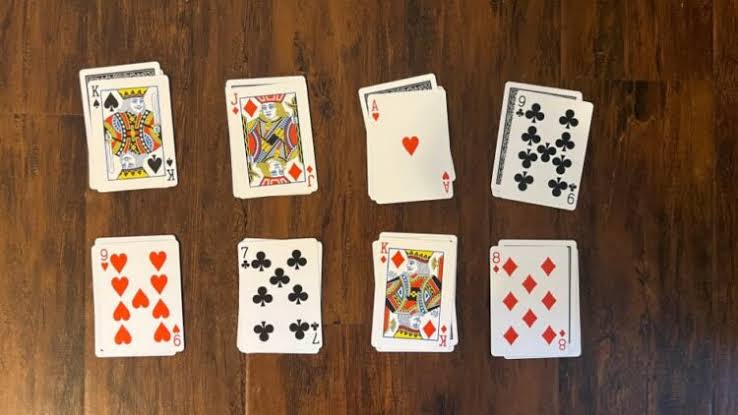
At tables dominated by loose aggressive players, play a waiting game. Tighten your starting hand requirements significantly, let the aggressive players build pots, and enter decisively when you have a hand that is likely ahead of their wide betting range. Patience is the primary adjustment — loose aggressive tables reward players who wait for premium holdings rather than competing with marginal ones.
At tables dominated by tight passive players, increase your blind stealing frequency. Players who fold too often to pre-flop pressure give away small pots consistently to players willing to apply that pressure. At a tight table on PK365, this source of income can be as significant as winning hands at showdown.
At mixed tables — the most common type — identify the one or two players whose tendencies are clearest and focus your adjustments on exploiting those specific profiles rather than trying to adjust to the entire table simultaneously.
Adjusting Your Poker Strategy by Table Type
Poker on PK365 offers the widest range of adaptive opportunities because the multi-street structure gives you more data points per hand than any other card game.
Against loose aggressive opponents, the most profitable adjustment is trapping — checking strong hands to allow them to build the pot with their aggression rather than leading out and potentially ending the betting. A loose aggressive player who has been betting the whole hand and faces a check on the final street will frequently bet again with a weaker holding, allowing you to raise with the best hand and capture a larger pot than a straightforward betting line would have produced.
Against tight passive opponents, straightforward value betting is more profitable than complex plays. They will not call a bet without a hand they feel comfortable with — trying to bluff a tight passive player out of pots they have committed to is expensive. Lead out with your strong hands, size your bets for value rather than deception, and let them make the mistake of calling with second-best holdings.
Conclusion
Adaptive card game strategy on PK365 starts with observation and ends with specific adjustments to your baseline approach based on what you observe. Identify the player types at your table within the first few hands, adjust your aggression and hand selection thresholds accordingly, and revisit your read as the session progresses and player tendencies become clearer. The players at your table on PK365 are providing you with information continuously — the skill is learning to use it. Build that habit across your card game sessions and the results will reflect the quality of your reads as much as the quality of your hands.
Read more: PK365 Slot Game – How to Use Volatility Strategy for Real Earnings
